Exploring the Artistic Side of Magic: The Gathering
A look at how Magic players appreciate the art of unplayable cards.
The Art Behind the Cards
Magic: The Gathering, a game renowned for its strategic depth, is also celebrated for its intricate artwork. A recent article by Hipsters of the Coast delves into the artistic appreciation of cards that are often deemed unplayable in competitive settings.
Curating an Art Gallery in a Binder
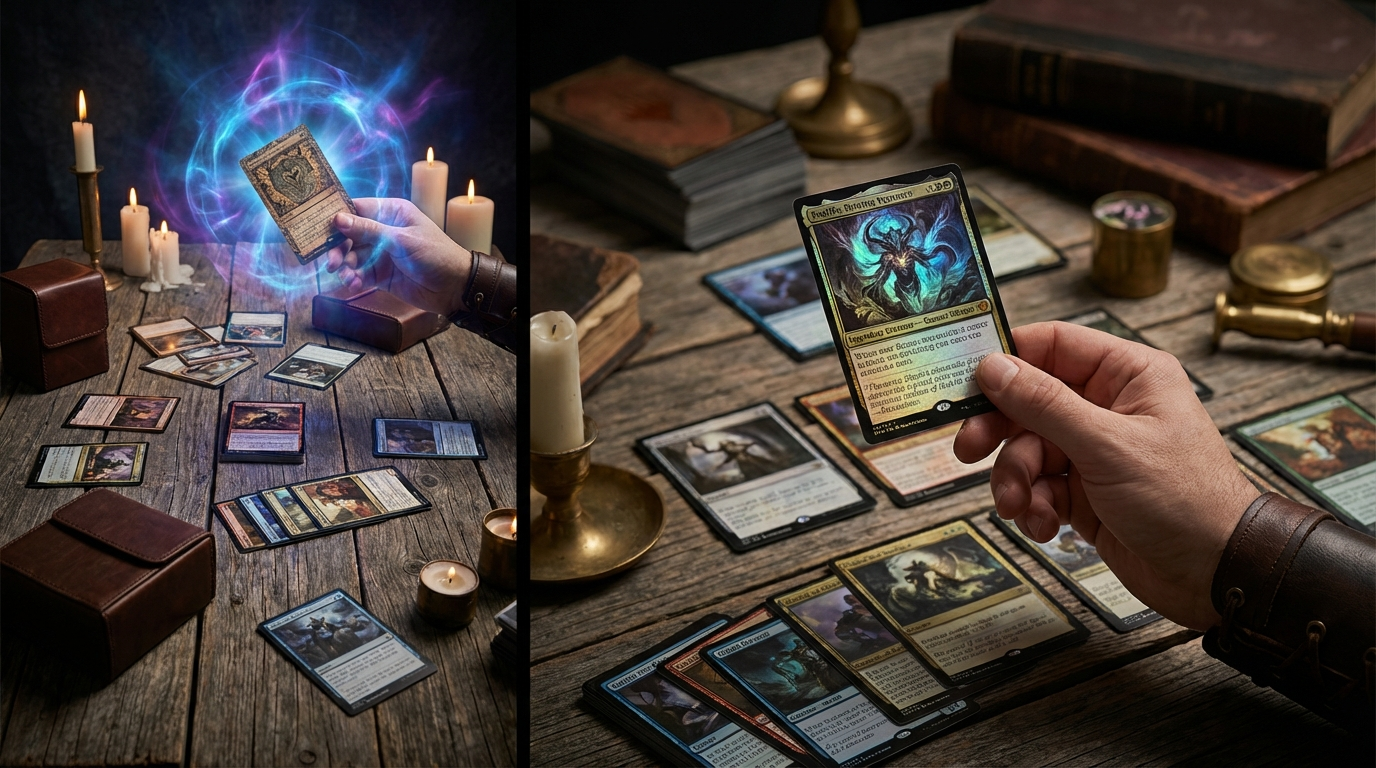
According to Ryan from Hipsters of the Coast, the process of appreciating Magic's art can be likened to curating an art gallery. However, instead of displaying pieces on walls, collectors often organize them within the pages of a binder. This unique form of art collection allows enthusiasts to engage with the cards beyond their gameplay utility.
The Appeal of Unplayable Art
While some cards may not find a place in competitive decks, they hold value for their artistic merit. Collectors and players alike often find joy in the aesthetic qualities of these cards, showcasing the extraordinary talent of Magic's artists. This appreciation adds another layer to the game's rich tapestry, highlighting how Magic: The Gathering is as much about art as it is about strategy.
A Different Perspective on Collecting
The notion of collecting for art rather than playability offers a fresh perspective on the hobby. It emphasizes the multifaceted nature of Magic: The Gathering, where players can find enjoyment in different aspects of the game. As Ryan notes, the process of selecting and organizing these cards transforms a simple binder into a personal art gallery, each page telling a unique story.
Conclusion
The exploration of Magic's art, particularly through unplayable cards, underscores the game's cultural impact and its ability to transcend traditional gameplay. Collectors who focus on the artistic side of Magic contribute to a broader appreciation of the game, celebrating creativity and visual storytelling.
This insight into the artistic side of Magic: The Gathering was first reported by Hipsters of the Coast in their article "The Gift of Unplayable Art."